Mid Atlantic Retina is excited to announce that Retinal and Ophthalmic Consultants, PC has joined our practice. Brett Foxman, MD, Scott Foxman, MD, Thomas Margolis, MD, and Daniel Connors, MD will continue to treat patients at the Northfield, Vineland, and Cape May Court House locations.

Our Locations

Indocyanine Green Angiography (ICGA)

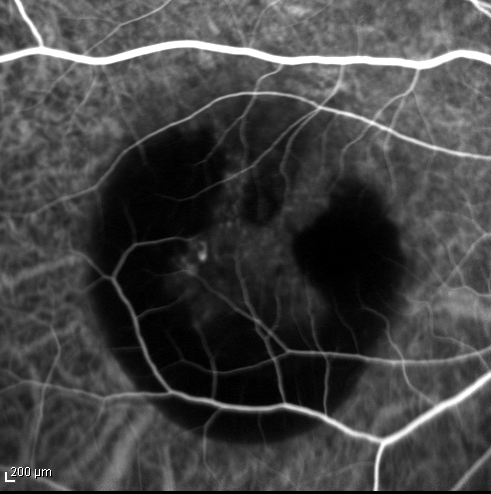
Indocyanine green angiography (ICGA) is a diagnostic test that involves taking photographs of the blood vessels in the eye using a contrast dye. Indocyanine is a green dye that works with infrared light and is visualized with a special digital camera.

What Does My Doctor See with ICG Angiography?

Your doctor can evaluate the health of the retina using this imaging technology. ICGA allows your doctor to detect diseases of the retina at early stages and has made timely intervention possible for a number of retinal conditions.

Conditions Detected with ICG Angiography

These images can help evaluate or detect serious eye conditions such as:

You can learn more about these and other conditions by visiting our resource center.

How the Indocyanine Green Diagnostic Test Works

During these exams, the patient’s pupils are dilated with eye drops. The contrast dye is then injected, usually into a vein in the patient’s arm. The dye travels to the eye within a few seconds and highlights the blood vessels for the camera. Once the dye is injected, multiple photographs are taken over several minutes.

ICGA may be required intermittently to assess a patient’s response to treatment or need for further therapy.

How to Prepare for Indocyanine Green Angiography

  • Bring a list of your current medications.
  • Consider arranging transportation, since dilated pupils can cause blurred vision and make driving difficult after the test. Your eyes will also be sensitive to light.
  • Inform your doctor about any allergies, particularly iodine or shellfish, as indocyanine green is contraindicated for these patients.

Is ICG Angiography Safe?

ICG Angiography is considered safe for most patients. However, mild reactions can sometimes occur, including:

  • Itching
  • Nausea
  • Rash

Severe allergic reactions to the indocyanine green injection are rare. Be sure to share your medical history and allergies with your doctor before the test.

Frequently Asked Questions

How long does an ICGA test take?

The test typically lasts between 20 to 30 minutes once the dye is injected.

Will I feel anything during the dye injection?

Most patients feel only a slight pinch when the dye is injected.

Can I go home after the test?

Yes, patients can go home immediately after the procedure and typically return to normal activities the same day. The main consideration is the effect of dilated pupils, which can cause temporary blurred vision and light sensitivity.

Schedule an Appointment with a Mid Atlantic Retina Specialist

Browse through the articles on this page to explore a wide range of topics related to retinal health. Visit other pages on our site, including our retinal disease page, for additional information as well.

Mid Atlantic Retina is made up of top Wills Eye Physicians, known for being the best retina doctors in the country. To seek further retina information and personalized care from a board-certified retinal specialist, make an appointment at one of our convenient locations in the Pennsylvania, Delaware, or New Jersey area. Our specialists offer the most advanced treatments for adult and pediatric retinal diseases, and we pride ourselves on providing all of our patients with the highest level of care. This includes efficient diagnostics and the latest in treatments and procedures, with state-of-the-art services tailored to your needs.

Contact us today to schedule your first appointment.